

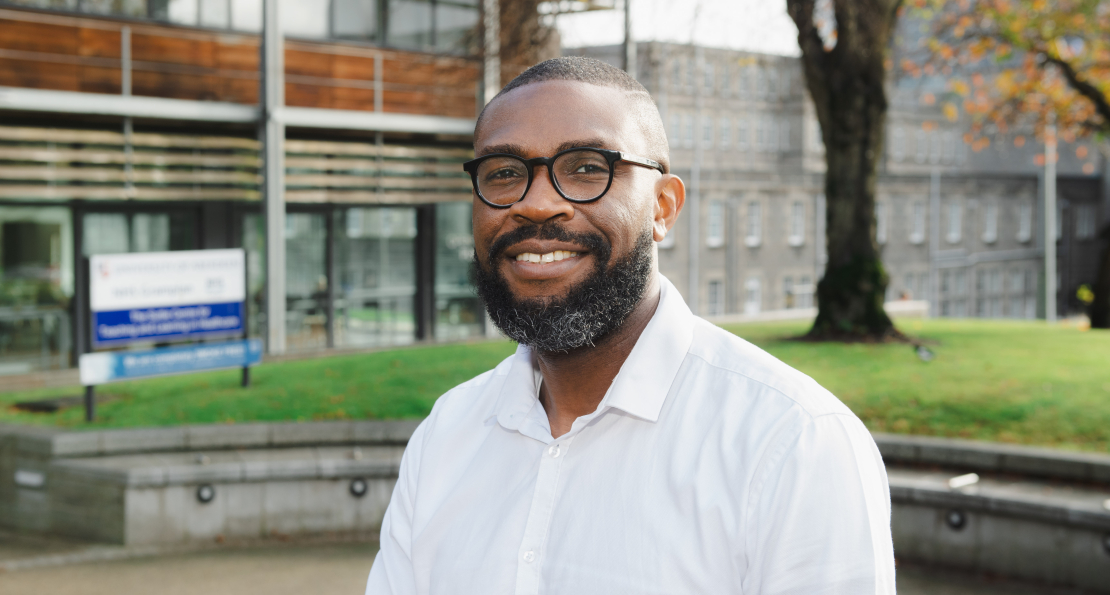
When Dr Joel Allotey's mentor flagged up our clinical fellowship to him, he saw it as a doorway to progress his career and make a difference.
A rigorous application process saw him successfully appointed in November 2025, and now, over the next three years, Dr Allotey will explore how and why breast cancer treatment can cause fatigue and poor physical wellbeing in patients.
Anthracycline - a type of chemotherapy that is commonly used to treat breast cancer - can cause those side-effects.
“In terms of cancer treatment, in the last decade we’ve seen immunotherapies, biologics and all sorts of advanced therapies emerging as options for our patients,” said Dr Allotey.
“We’re only now beginning to build an understanding of the impact these new treatments can have on patients.”
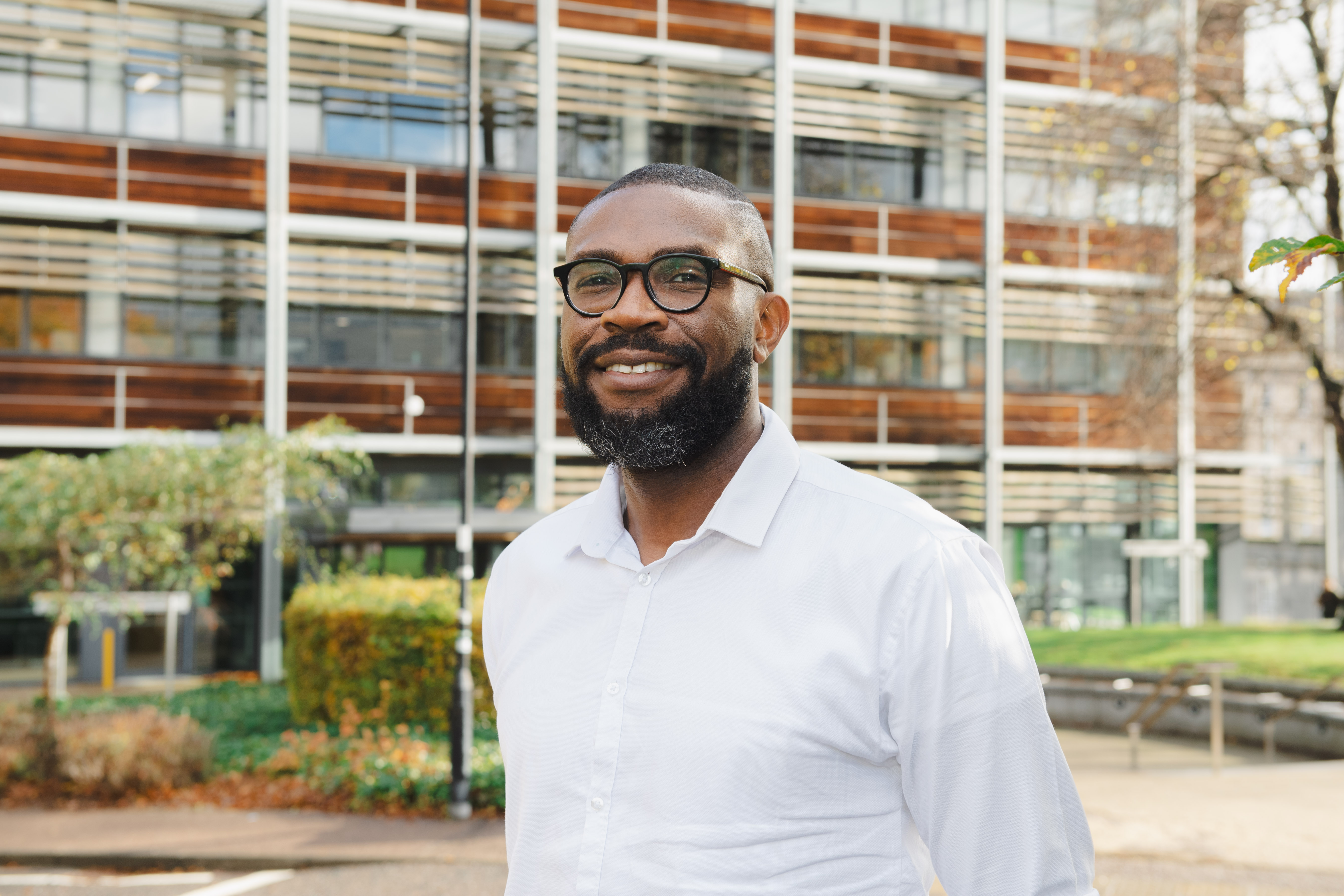
'We don't want to accept that this is just one of the consequences of treatment'
During his time spent in hospital clinics as an oncology trainee, Dr Allotey witnessed patients having significant difficulties getting on with day-to-day activities during and following treatment. Having always had an interest in cancer therapies and toxicity management, he’s relishing the chance to have dedicated research time that could lead to new avenues for managing patients’ side effects.
A recent pilot study undertaken in Aberdeen has built a foundation for Dr Allotey’s research, and now he will be taking a deep dive into how anthracycline affects the skeletal muscles and heart, investigating how this can lead to physical debility and affect patients’ energy levels.
“Up to 90% of patients will experience fatigue as a side effect of cancer therapy. That can have a considerable impact on quality of life, and a person’s ability to work or go back to school.
"We need to be doing more to understand the burden of side effects that cancer treatments are causing and how best we can stall or reverse them, so that patients can get on with their lives after treatment. This research is a part of that understanding, and I’m really grateful to Friends of ANCHOR for supporting the work.”
"Once in a lifetime opportunity"
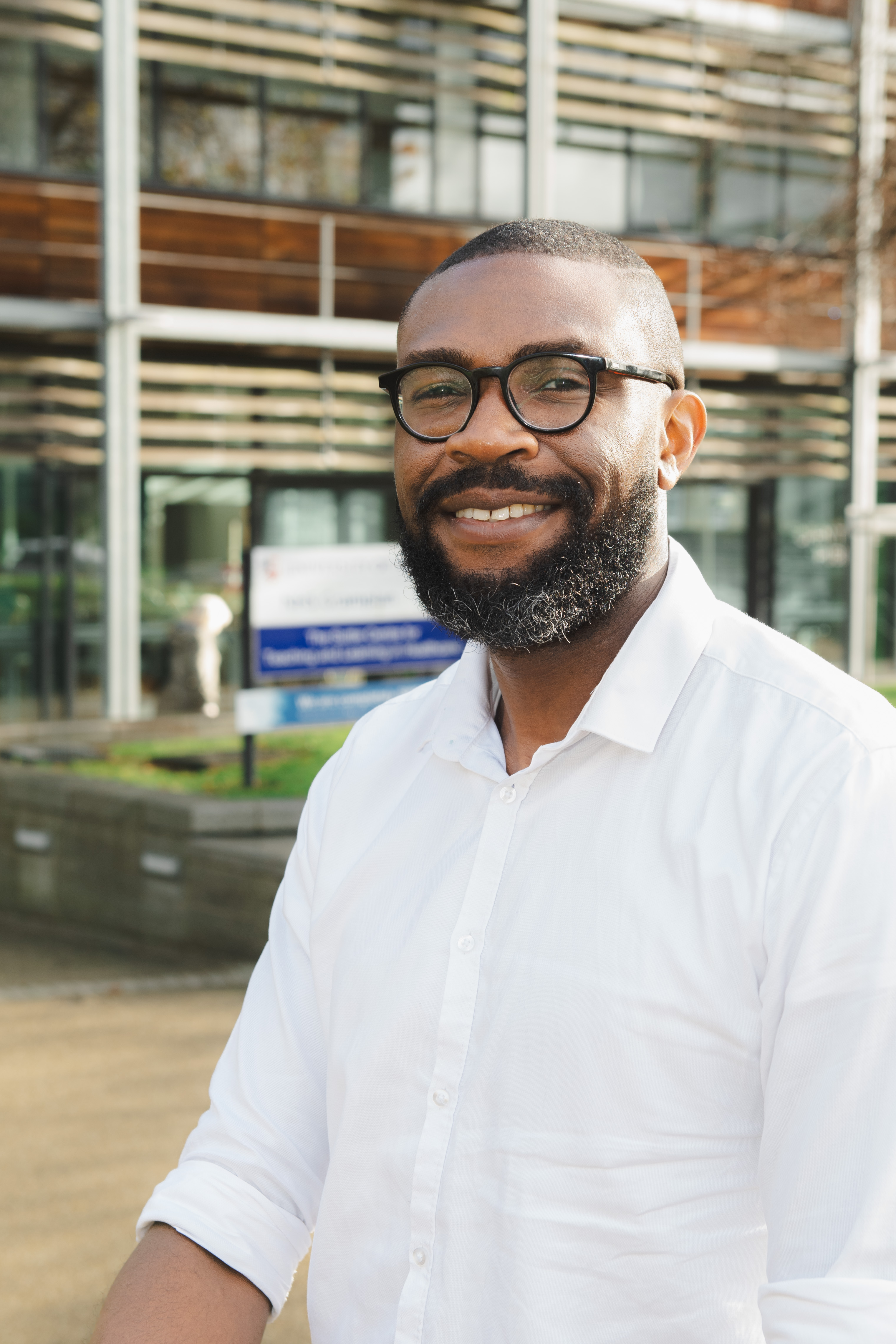
“I’ve been in clinical roles for most of my medical career so far, and this will be my first time conducting full-time research. It’s a once in a lifetime opportunity to have a fully funded research fellowship like this, at this stage in my career,” added Joel.
Dr Allotey will recruit patients with early-stage breast cancer for his study, and he’ll use specialist tests including scans, MRIs and biopsies to assess how their muscles are affected by chemotherapy.
A protective drug will be given to some of the patients in tandem with their treatment, while a control group will receive chemotherapy only. “The main thing that I will be taking away from this fellowship is the opportunity to conduct research that matters and that has an impact on patients’ quality of life, patient care and clinical practice going forward,” said Dr Allotey.
“That’s what is most spectacular about this particular research - it has the potential to be quite impactful in terms of day-to-day practice in the future. There are no words to describe how grateful I am to Friends of ANCHOR for giving me this opportunity.”